Hyperspectral sensors have the ability to capture information about an object through hundreds of wavelength bands of reflected light across the electromagnetic spectrum. This large number of narrow spectral reflectance values then enable us to characterize or identify objects on the ground. Among the many emerging opportunities for employing hyperspectral imaging data, the energy sector is poised to benefit greatly, notably through an improved ability to rapidly identify oil spills and gas emissions using OSK’s solution. While other industry use cases exist, let’s take a look at some of the scenarios where OSK’s hyperspectral data adds value to oil & gas applications.
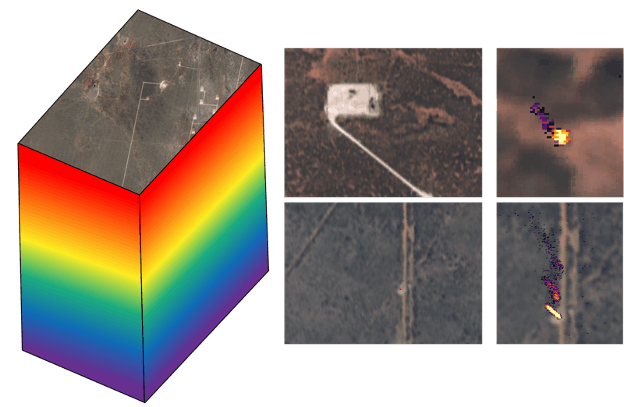
Figure 1: Gas pipeline leaks extracted from hyperspectral data
Leak Detection
Ensuring the mechanical integrity of energy infrastructure is vital to ensuring employee and community safety, protecting the environment, and of course operational reliability and efficiency. Small product leaks, particularly in remote and inaccessible locations, can be difficult to detect and may go undetected for extended periods, even until they become larger releases. A particular strength of hyperspectral imaging, particularly from a persistent remote platform like satellites, is to regularly and efficiently monitor infrastructure for chemical, hydrocarbon or fuel vapor leaks. This is accomplished through the identification and isolation of the unique spectral signatures of these molecules, whether a mixed hydrocarbon stain in the soil, a pure chemical molecule or a free methane vapor. Finding these features early is the best way to ensure they don’t persist, and perhaps more importantly, get them addressed before they can develop into a harmful or costly incident.
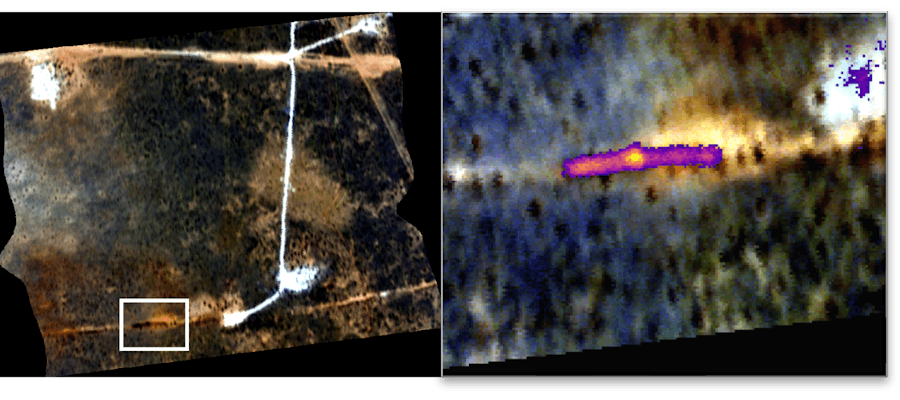
Figure 2: Identification of a liquid hydrocarbon leak along a right-of-way
Leak Prevention
There are numerous potential causes of pipeline leaks and as important as stemming a release quickly once it begins is to identify potential threats that can produce a leak before doing any damage.
Global pipeline networks span vast distances, crisscrossing thousands of miles of urban, rural and wilderness terrain. And these assets are commonly impacted by events unrelated to their operations, ranging from geologic changes to 3rd party encroachment. The result of such damage can range from immediate rupture to a minor leak that can go undetected for an indeterminate period, or the initiation of a corrosion or stress vulnerability resulting in catastrophic failure months or even years later.
Hyperspectral imaging can aid in the rapid, objective detection of physical intrusions as well as sudden soil erosion. And essential to the operator, resultant reporting can provide the operator with actionable intelligence, revealing the threat and enabling early stage response and mitigation. Events such as construction activity or digging, the presence of vehicles or heavy machinery, and even erosion or landslides can be detected and relayed through a hyperspectral monitoring program to meaningfully improve the protection of pipeline assets from such threats.
Ensuring Regulatory Compliance
Among the countless regulatory obligations faced by energy facilities, the United States Department of Transportation’s Pipeline and Hazardous Materials Safety Administration (PHMSA) requires pipeline operators to routinely patrol their assets for evidence of damage or threat. For decades, these patrols have been largely accomplished by human observation, either by visual aerial or ground patrol. This method is labor intensive, highly subjective and quite limited in what can be observed. Satellite-monitoring, particularly using hyperspectral analysis and reporting, brings increased objectivity, detectability and persistence, as well as change detection capabilities, to identify vapor emissions and small leaks and soil disturbances, construction activity and other threats. The future of pipeline patrol will be using satellites, and hyperspectral imaging is poised to enable the oil and gas industry to better understand the threats to these assets while also better meeting these regulatory compliance demands.
For more information on how hyperspectral data can meet your monitoring needs, reach out to solutions@orbitalsidekick.com